
DECK IT, Ahmedabad, builds automated fare collection systems for bus, metro and BRT operators, covering smart cards, mobile ticketing, revenue reporting and reconciliation, typically delivered in 3–5 months. Smart cities aim to provide seamless use of its services and public spaces with very less intervention. around the world strive to provide better access to public space and citizen services. A key aspect of modern transportation system is an improved multimodal automated fare collection system. In today’s day and age, simply providing easy access with better connectivity and faster travel is not enough. Automating Fare Collection is a critical part of a modern transport management system. Whether it is token based, card based, or fingerprint based. it is how use of technology and automated is reforming and streamlining passenger experience and access to services. Traditional fare collections systems are manual and often contradict a modern and growing city. Lack of transparency, Delays in issuing tickets manually & fare collections are slowly becoming obsolete and are being revamped. Now, you don’t need to buy a ticket or recharge your commuter card on location; you can easily do that online. Automated fare collection system technologies help in overcoming these challenges by creating a process that is fast and efficient. The efficient automatic system helps in cutting down resource costs and increases profitability leading to cost-efficient and improved riding experience for the users. These solutions can be customized to include the entire scope of public transportation and recreation services where fares are being collected. Automated fare collection system offers better ROI with reduced wastage translating into increased profit margin. The effective and seamless process helps attract more subscribers and users. It also increases the scope of users coming back for the services in view of the easy processing, thereby increasing the overall revenue. The contactless services reduce risks and costs associated with handling of cash. Better record management brings more transparency and makes the management more effective and leaner operations. What cloud, on-premise and custom-built hospital management software actually cost in India in 2026, what ABDM compliance adds to the bill, and a worked first-year total for a mid-size hospital. What Indian vendors are quoting in 2026 for MVPs, business apps and ERPs, hourly rates by seniority and city, and what a ₹10 lakh quote becomes once GST, hosting and maintenance are added. Why small and mid-sized businesses should treat a learning management system as an investment, not a cost, in the post-pandemic workplace.
Automated Fare Collection System
Why are automated fare collection transactions faster and cheaper?
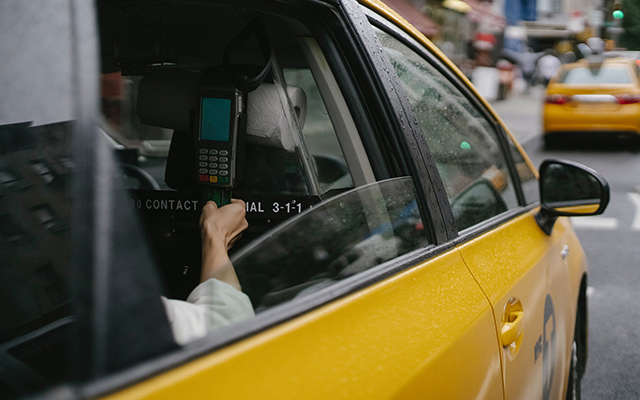

How does automated fare collection improve profitability?
What are the benefits of an automated fare collection system?

Easy to implement

Customized solutions

Platform that supports multiple services

Transparency

Service Diversity

Contact Less Technology
What does DECK IT offer for fare collection?

Webstore development

Mobile application

Inventory Management

Performance Management & Analytics
Connect with us for a Free Consultation
DECK IT’s engineers look forward to working with you.
Things we've written
Hospital Management Software Cost in India (2026 Guide)
Custom Software Development Cost in India (2026 Guide)

Reasons to Invest in A Learning Management Systems







Automated fare collection: questions we get asked
What is an automated fare collection system?
It moves fare payment, validation and revenue accounting off paper and onto smart cards, mobile ticketing and a back office. For a bus, metro or BRT operator it replaces cash handling and manual reconciliation, so revenue is recorded at the point of travel rather than counted and reconciled days afterwards.
Which fare media does it support?
DECK IT builds fare collection covering smart cards and mobile ticketing, with the validation devices and back office to match. Multimodal operators usually want one fare medium working across every service, so passengers are not carrying a different card for bus, metro and BRT. Systems are built around that from the start.
How long does a rollout take?
A fare collection rollout typically takes three to five months, covering validator integration, card issuance, the revenue reporting back office and reconciliation rules. Depot and route coverage drives the timeline more than passenger numbers do. Work runs in sprints, so operations staff test the fare rules well before go-live.
How does it handle revenue reconciliation?
Revenue reporting and reconciliation are built in rather than bolted on afterwards. Every validation is recorded against a route, vehicle and shift, so takings reconcile against trips automatically instead of being tallied by hand. That is usually where leakage hides in a cash system, and the part operators notice first.
Can one system cover bus, metro and BRT?
Yes, and that is normally the point of building one. A multimodal system lets a passenger use a single fare medium across bus, metro and BRT while the operator sees one revenue picture. Building separately per mode is what leaves cities with systems that cannot talk to each other later.